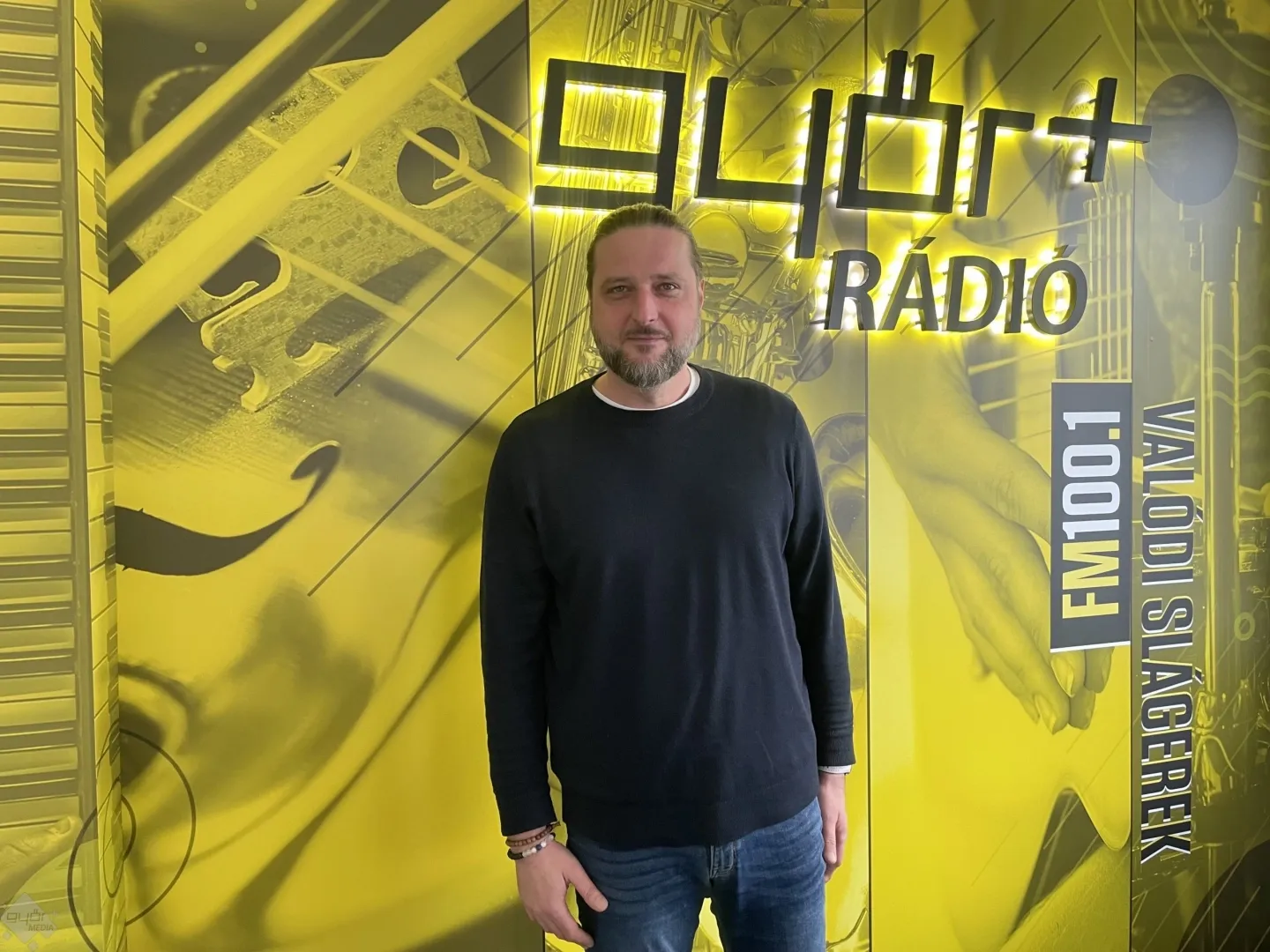
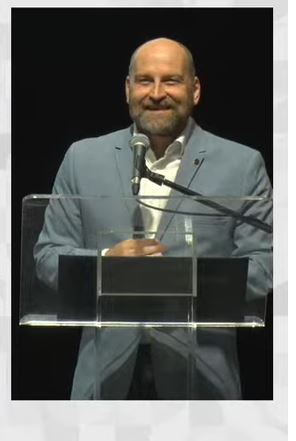
Dr. Csizmadia Zoltán, tanszékvezető vezeti azt a kutatást, aminek végeredményeképpen tanszékünk munkatársai elkészítik a Győr Megyei Jogú Város Idősügyi koncepcióját. A koncepció elkészítéséhez egy online kérdőíves adatgyűjtést is indított a tanszék Győrben.
Erről a kutatásról beszélt a Győr Plusz Rádió Győri Édes című műsorában
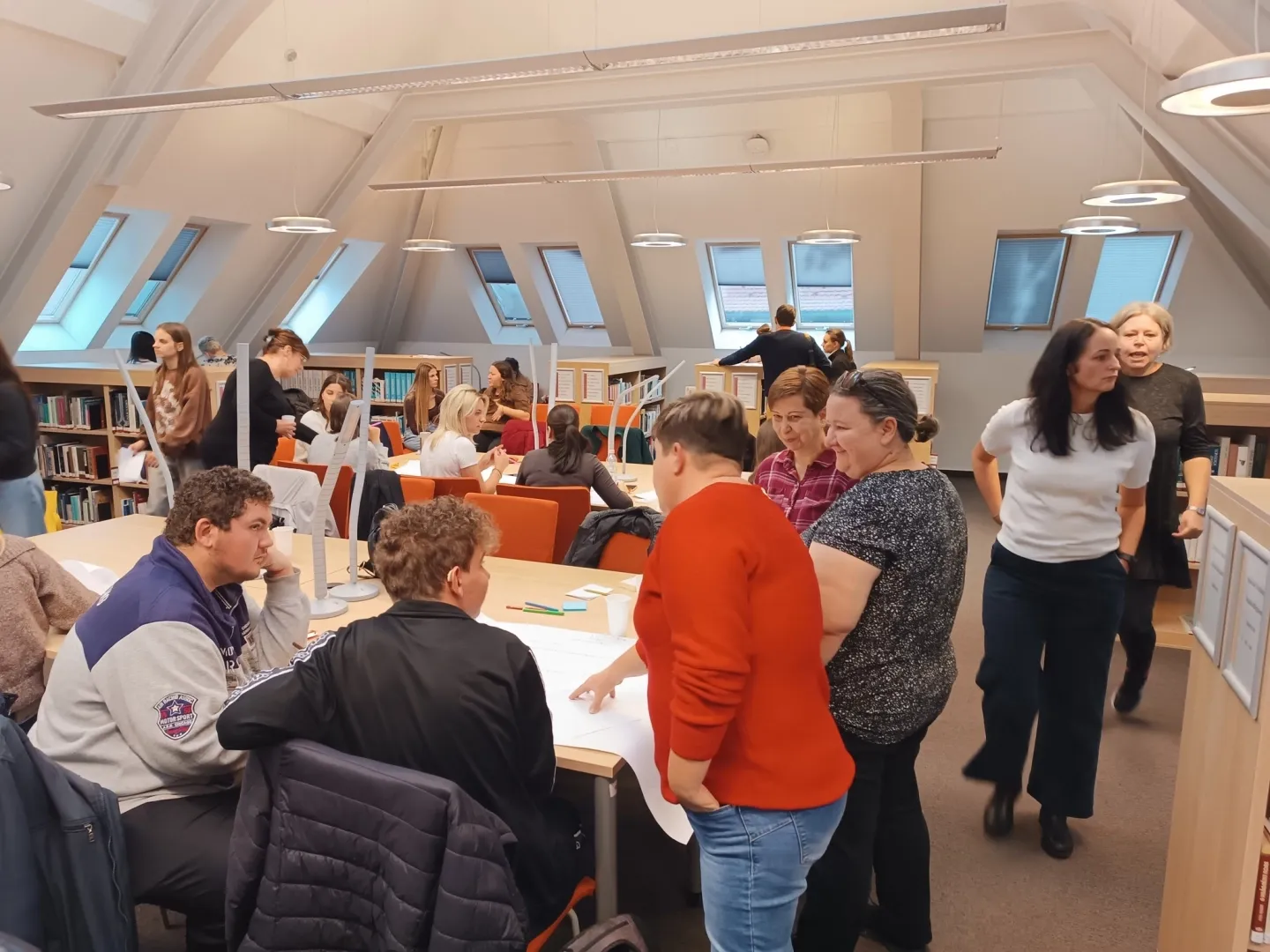
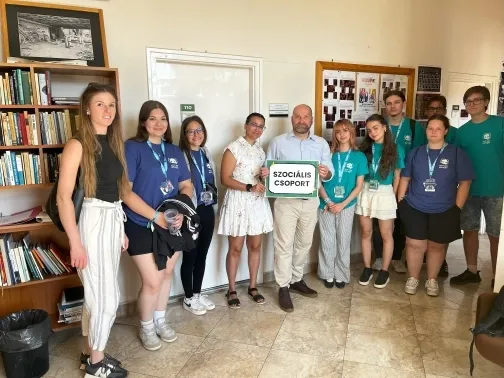
2025 november 17-én délelőtt, Dr. Kóbor Krisztina és Csillag Attila, szociális szakmai napot szerveztek a Széchenyi István Egyetem Apáczai Csere János Pedagógiai Humán- és Társadalomtudományi Karán.
A szakmai nap részeként egy tereptanári workshop keretein belül beszélgettek a a tereptanár- és oktató kollégákkal a terepgyakorlatokhoz, a terepmunkához kapcsolódó dilemmákról. Ezt követően, szociális munkás és szociálpedagógia szakos diákjaink részvételével, egy Esetmunka versenyt szerveztek, melynek során hallgatóink konkrét esetek elemzése révén adhattak számot tudásukról és rátermettségükről.
A szakmai nap remekül sikerült köszönjük a tereptanár és oktató kollégák, valamint a szociális képzésekben résztvevő diákjaink aktív részvételét!
A következő szemeszterben ismét megszervezzük a szakmai programot!
2025. november 13-án, pénteken került sor karunk éves konferenciájára a 29. Apáczai Tudományos Konferencián. A konferencia alcíme: Tudás, érték, megújulás – Apáczai nyomdokain volt.
Tanszékünk a délutáni szekciók közül a Szociológia, szociális tanulmányok – Gondoskodáspolitika szekció megszervezését és levezetését vállalta magára. A szekció elnöke Dr. Tóth Péter, egyetemi docens volt. Tanszékünkről négy kolléga adott elő.
A szekcióban az alábbi előadások hangzottak el:
Prof. Dr. Nagy Ádám - Alfa, Béta, Covid, Klíma – és még hány nem létező generáció
Oszter Bettina – Böcz Tamara Zsuzsanna - Helyi társadalmi dimenziók vizsgálata Győr városában: Kötődés, elégedettség és perspektíva kvalitatív megközelítésben
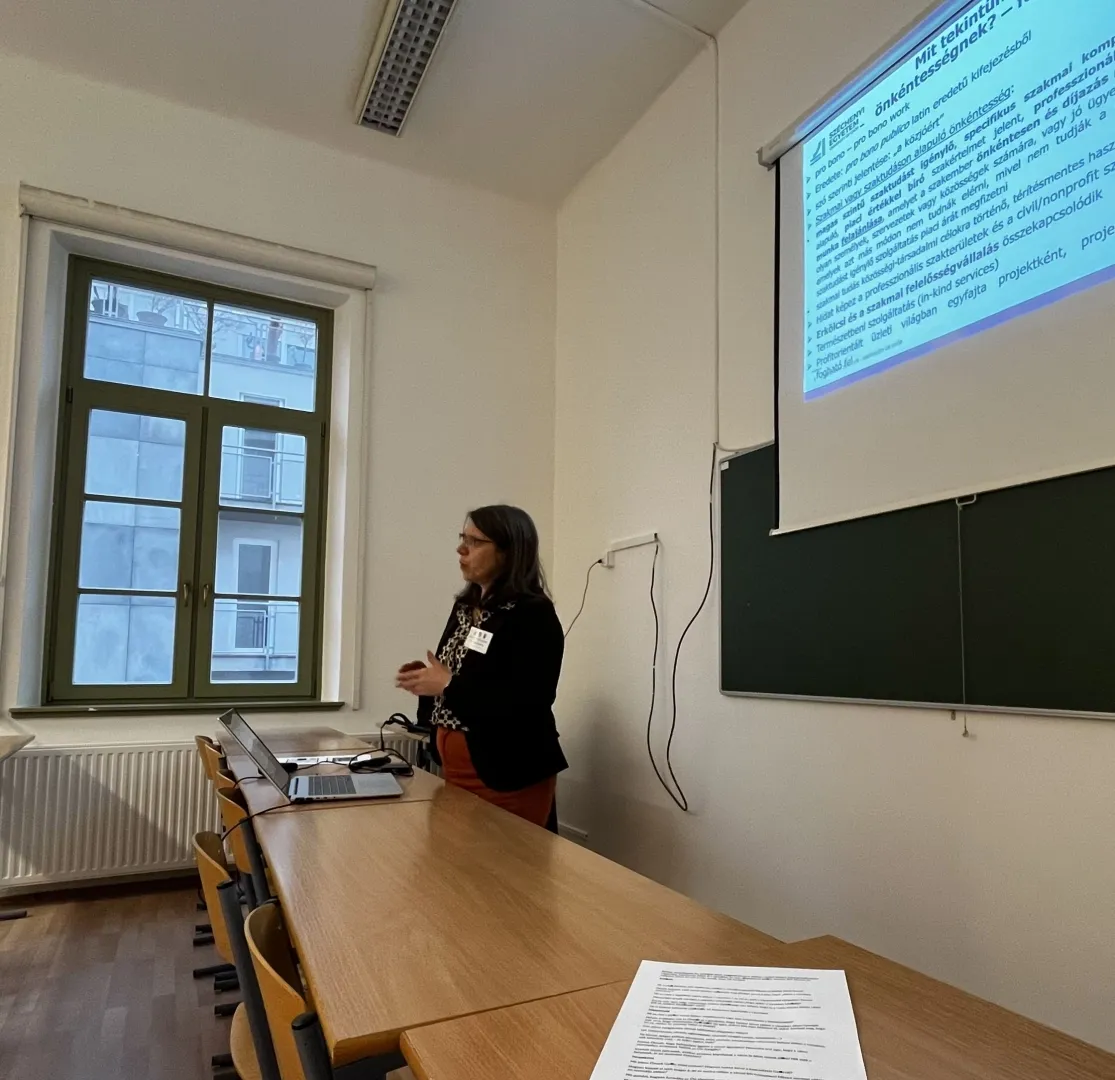
Dr. Nárai Márta - Pro bono önkéntesség – a magas szintű szaktudás, a társadalmi érzékenység és az elkötelezettség kapcsolódása
Rostáné Dr. Riez Andrea - Renovare semper – a megújulás állandó lehetőség
Dr. Bugovics Zoltán - A tanyavilág társadalmi aspektusai
A Széchenyi István Egyetem Kautz Gyula Gazdaságtudományi Kara 2025. október 8-a és 11-e között tartotta éves konferenciáját Kautz Conference on Business and Economics 2025. Transforming Global Challenges into Opportunities. The impact of AI, sustainability, digital transformation on the future of business, economics and society címmel.
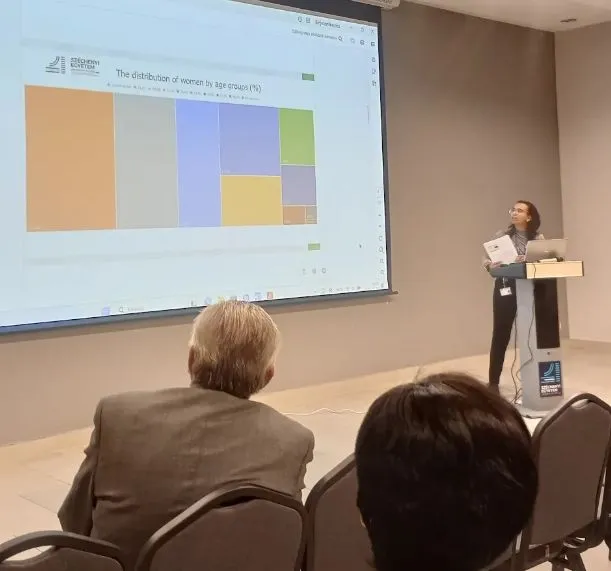
Tanszékünről Böcz Tamara és Oszter Bettina tanársegédek a konferencia szerdai napján tartottak előadást a Innovations in Process Management and Sustainability - Next Generation I. szekcióban az alábbi címmel: Women's participation in prostitution in Hungary.
Dr. Páthy Ádám, tanszékünk egyetemi docense több előadásban és konferencia anyagban is szerepel a pénteki napon:
Transformations in the Hungarian Agricultural Land Market
Comparative Analysis of Small Towns in Bulgaria And Hungary – the role of small towns in the regional development
The Impact of Green Space Management Practices on the Climate Adaptation Potential of Urban and Suburban Areas
Assessing the Position of the Patchouli Oil Industry in Indonesia’s Agricultural Economy: A Qualitative Content Analysis
A Nyugdíjas Egyetem 2025 évi őszi szemeszterének 2. előadás, tanszékünk egyetemi docense, Dr. Tóth Péter tartotta. 2025. október 6-án az Egyetemisportcsarnokban 922 nyugdíjas részvételével. Előadásának címe: Mennyi? 30? – Hogyan számolható meg, hogy hányan, kik, hol és hogyan élnek egy városban?
Új tanulmány jelent Dr. Bugovics Zoltán, tanszékünk egyetemi docensétől a Discover Sustainability folyóiratban. Gratulálunk!
Bugovics, Z. Qualitative analysis of the sustainability of local attachment and identity based on in-depth interviews conducted in two scattered farmstead settlements. Discov Sustain6, 769 (2025).https://doi.org/10.1007/s43621-025-01700-0
A folyóirat Geography és Social Sciences kategóriában Q1-es minősítésű.
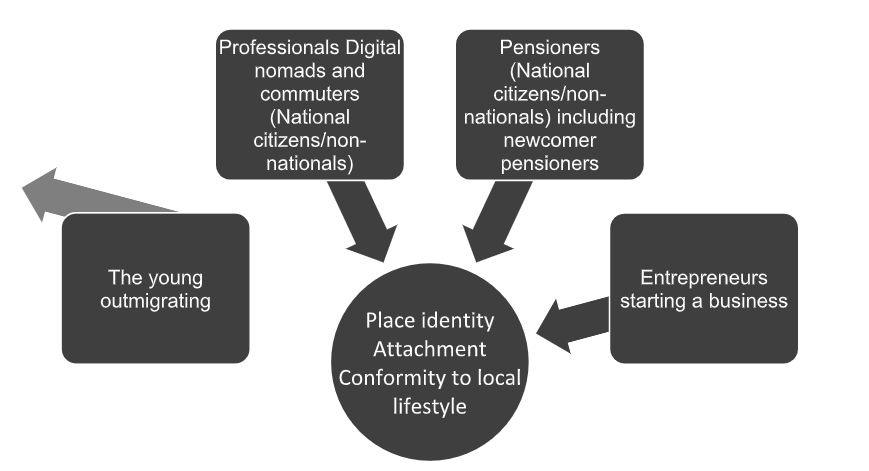
Social groups displaying identity, attachment and conformity. The lifestyle of scattered farmsteads has undergone a substantial change in recent decades involving the modification of the traditionality and conformity of these localities. The main changes occurred due to economic reasons, namely the limitations of the agricultural production and the increase of alternative forms of economy, like tourism, recreation or other business activities that provide better prospects. Yet another important feature of the changes is the growth in the number of newcomers, professionals and entrepreneurs who either commute or create a different form of lifestyle in comparison to the traditional way of life. On the other hand, the young generations of the native inhabitants are moving as they seldom see any prospects in these settlements. As a consequence, the newcomers are providing a firm basis for the sustainability of scattered farmsteads; however, with a special, alternative lifestyle of mainly non-agricultural activities. From this respect, sustainability is reinforced through the shift of traditional factors to alternative behaviour, providing new lifestyle concepts in the case of preserving the attachment and identity of scattered farmsteads.
Augusztus 26-a és 30-a között zajlik a Széchenyi István Egyetemen a Gólyahét, aminek második napjának délelőttjére esik a szakos fejtágítás a karon, ahol Dr. Pongrácz Attila dékán köszöntője után az egyes szakok gólyái különvonulnak, hogy megkapják szakjuk első információit a szakvezetőktől, találkozhassanak mentoraikkal.
A szociálpedagógus és szociológus hallgatók szakfejtágítását Dr. Tóth Péter egyetemi docens és Böcz Tamara egyetemi tanársegéd tartották.
Köszöntjük az első éveseket és kívánunk nekik hasznos és tartalmas éveket a Széchenyi István Egyetemen!
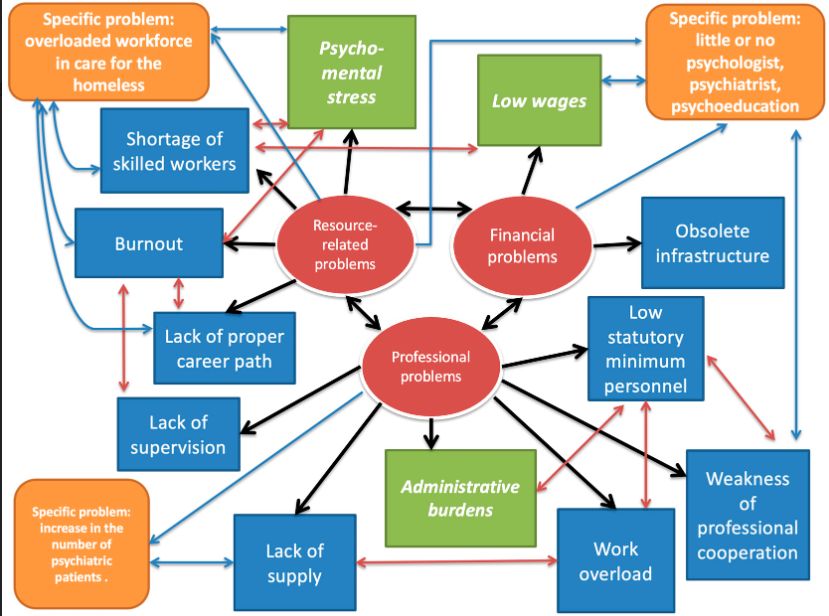
A Social Sciences folyóirat Creating Resilient Societies in a Changing World című különszámában jelent meg Csizmadia Zoltán, Kóbot Kriszta, Böcz Tamara és Tóth Péter cikke az alábbi címmel: Service Difficulties, Internal Resolution Mechanisms, and the Needs of Social Services in Hungary—The Baseline of a Development Problem Map
A cikk a Máltai Szeretetszolgálat megbízásából két megyében a szociális szolgáltatásokat nyújtó szervezetek munkatársai körében végzett kérdőíves kutatások eredményeit mutatja be és helyezi azokat európai kontextusba.
A Social Sciences folyóirat Creating Resilient Societies in a Changing World című különszámában jelent meg Csizmadia Zoltán, Kóbot Kriszta, Böcz Tamara és Tóth Péter cikke az alábbi címmel: Service Difficulties, Internal Resolution Mechanisms, and the Needs of Social Services in Hungary—The Baseline of a Development Problem Map
A cikk a Máltai Szeretetszolgálat megbízásából két megyében a szociális szolgáltatásokat nyújtó szervezetek munkatársai körében végzett kérdőíves kutatások eredményeit mutatja be és helyezi azokat európai kontextusba.
Csizmadia, Z., Kóbor, K., Tóth, P., & Böcz, T. Z. (2025). Service difficulties, internal resolution mechanisms, and the needs of social services in Hungary—the baseline of a development problem map. Social Sciences (Basel, Switzerland), 14(8), 473. https://doi.org/10.3390/socsci14080473
Abstract
This study focuses on the current service/care difficulties and challenges that social institutions in Hungary are facing during their daily operations; how they can react to them utilizing their internal resources, mechanisms, and capacities; and what concrete, tangible needs and demands are emerging in terms of methodological professional support, potential forms, interventions, and direction for professional development. A total of 24 general and 55 specific service and operational problems were identified and assessed in eight different service areas (family and child welfare services, family and child welfare centers, respite care for children, care for the homeless, addiction intervention, care for people with disabilities, care for psychiatric patients, specialized care for the elderly, and basic services for the elderly). The empirical base of the study uses a database of 201 online questionnaires completed by a professional target group working for social service providers in two counties (Győr-Moson-Sopron and Veszprém), representing 166 social service providers. The questionnaires were completed between November and December of 2022. The findings will be used to develop a professional support and development problem map. Social institutions face complex and serious service/care difficulties and challenges in their daily operations. Three distinctive basic problems clearly stand out in both severity and significance from the complex set of factors assessed. The biggest problem in the social care system is clearly the complex challenge of low wages, followed by the administrative burdens in the ranking of operational difficulties, and the third key factor was the psycho-mental workload of staff.
Oldalunk cookie-kat ("sütiket") használ. Ezen fájlok információkat szolgáltatnak számunkra a felhasználó oldallátogatási szokásairól. Mindent elfogad gombra kattintva, Ön beleegyezik a statisztikai és marketing cookie-k használatába. Beállítások gombra kattintva tudja engedélyezni a csak szükségesen kívüli cookie-kat.